


Summer Gardening Tips
By Sheelagh Rowland, Mississauga Master Gardeners
Our gardens will be at their optimal best now with corners filled in where it didn’t seem possible a few short months ago! This is the most active time for both gardeners and all the ‘pests’ – both good and bad – that reside in our gardens. Keeping tabs on all this activity requires attention to detail.
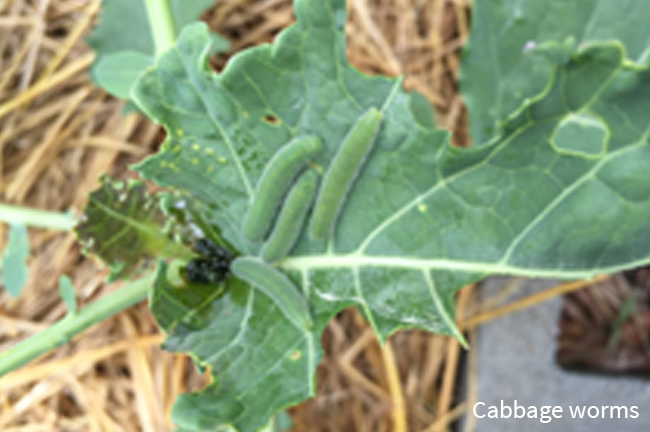
If you’re a vegetable grower you will be familiar with cabbage worms whose flitting white butterflies are an indicator that eggs are being laid. The easiest solution is light-weight row covers that can be kept in place until harvest. If you spot the eggs on the underside of leaves, scrape them off.
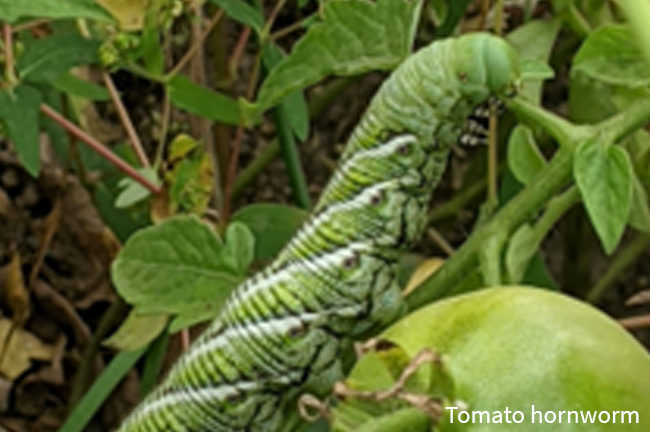
Tomato hornworms are fat juicy green caterpillars who feast on tomato plants, stripping them of leaves and eating immature fruit. Hand pick!
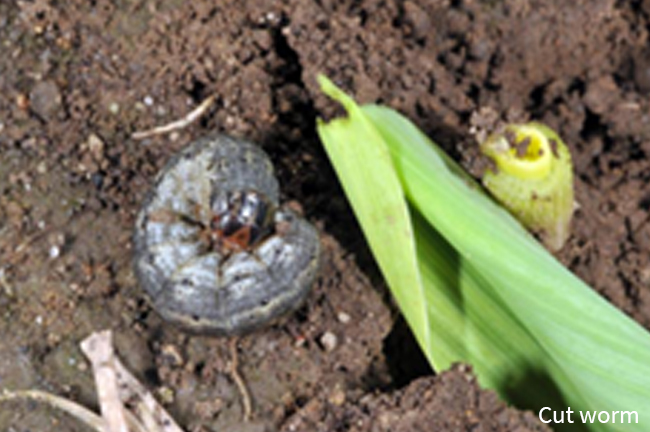
If your tomato plant has been decapitated at the base, the culprit was a cut worm. You can address the challenges posed by cut worms in two ways:
1. The stems need protection! One inch (2.5cm) from the stem – and encircling it, press into the soil, a small open-on-both ends container.
2. Alternatively, a long nail slid in next to the stem and buried slightly, will prevent the cut worm from wrapping around the stem and cutting it.
The dreaded earwig has become commonplace in our gardens. However, despite its voracious appetite, it consumes small, soft-bodied insect pests, which will do damage in their own right. Easy home-made traps are effective if monitored daily. For example, an up-ended pot on a stick with some damp paper loosely packed inside, works well. Simply shake the paper over a bucket of soapy water every morning to collect the earwigs as they drop out. Repeat as long as necessary.
Maple and birch trees may be pruned now, as well as spring-flowering shrubs (once the blossoms have finished). Trim cedars too.
Plant your plants in the correct location as indicated on a plant label. For example, ‘full sun’ means exactly that, otherwise you’ll be looking at fewer blooms on a spindly plant.
Most dark spots on leaves are symptoms of diseases caused by fungi or bacteria. An excellent free app for helping to diagnose a plant’s affliction is Plantin: Plant Care Identifier.
Insecticidal Soap is a safe way to deal with aphids.
Encourage birds to your garden as their favourite food is often the insect variety!
Plant native perennials and trees to aid in the above!
Master Gardeners of Ontario is a volunteer organization comprised of individuals who are certified horticultural experts providing gardening information to the general public. Mississauga Master Gardeners serve the areas of Brampton and Mississauga.