


Overwintering the Lovelies: Dahlias, Gladiolus, Begonias, Canna and Calla Lilies, and Geraniums
By Sheelagh Rowland, Mississauga Master Gardeners
Gardeners, both novice and experienced, are drawn to the beautiful, but tender, dahlias, gladiolus, tuberous begonias, canna and calla lilies – and let’s include geraniums too! After the summer show is over, the novice might just compost the plants – but the experienced gardener will know that with a small amount of effort these favourites will continue to impress for years to come.
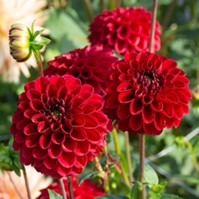
Dahlias have a tuberous root system, which means that (just like potatoes), they have ‘eyes’ from which new shoots can sprout and are therefore easy to divide into new plants in the spring. In the early fall before the first frost, lift your dahlias. Spread them out in the sun and allow them to dry off upside down for a few days, shaking off as much soil as possible. Trim back the stalks to just a few inches. Remove any tubers that are spent and store the healthy ones in a cool (4-7 C) and dark spot inside. A large paper bag or card box works well, and the addition of some soilless mix or vermiculite can help retain moisture. Check regularly over the winter for any signs of rot and discard any showing signs as it will affect them all.
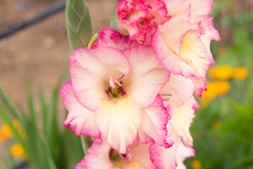
Gladiolus are grown not from a bulb but rather a corm. Corms are firm to the touch and without the layered structure of a bulb. Before the first frost, dig up your gladioli. By late summer their foliage will be yellowing and dying back. Allow them to dry out for several days and brush off all clinging soil. The corms should be dusted with an anti-fungal powder or cinnamon, and then stored in single layers between sheets of newspaper in a cardboard box or any breathable container. Store at 4 C, until they’re ready to plant out again next May.

Tuberous begonias also grow from a corm, but need slightly different treatment due to their high water content. Be sure to pull these out before a frost because they will collapse completely if they get hit. Cut off as much foliage as possible and remove soil. Set aside somewhere cool and dry until such time that the stem comes away easily from the corm. Once that is done, store in a paper bag in a cool spot preferably below 10 C.

Canna lilies grow from a rhizome. A rhizome is a continuously growing horizontal underground stem. Other examples of rhizomatous plants are: ginger and bearded iris. A single canna lily planted in May will be many sizes larger when dug up in September. Trim the stems right down. If they are difficult to separate, cut cleanly through into large chunks and set aside for a week to dry out in the sun and for any cuts to callous over. Dust the rhizomes with an anti-fungal powder or cinnamon and then store in a cardboard box (or other breathable container), in peat or vermiculite – in a cool dark area. Do not allow temperature to fall below 4 C.

Calla lilies also grow from a rhizome. These elegant flowers are native to South Africa. After a killing frost, dig them up and cut the foliage back to a few inches. Put them in warm, dry area for 2 weeks to cure. Then shake off the soil, dust with a natural fungicide and lay the separated rhizomes on top of a couple of inches of dry substrate such as coconut coir, peat moss, perlite, straw etc. in a breathable container. Store in a dark spot with temperature at no less than 15 C. It’s also important that they don’t dry out too much in storage. Use a spray bottle to mist lightly, especially if they appear to be wrinkly or shrunken.

Pelargoniums a.k.a. annual geraniums are temperate herbaceous plants that although heat and drought tolerant, can only withstand minor frosts. However, they can be successfully overwintered inside.
Bare root: This method has been used by gardeners forever! Lift the plants from the soil. Shake off all the soil. With clean secateurs trim back the top growth to about 4 to 6 inches – and do the same with the roots. Place into a large paper bag. Label with the colour etc. or wrap a piece of masking tape around a stem with the colour. Store in a cool (not cold), dark location. Check every few weeks for mold or mildew. Once a month soak the roots in warm water for an hour, then dry completely before returning to storage.
Cuttings: If you’re familiar with taking cuttings, you can do so with these plants also. I would suggest looking for ‘how to’ online, as the explanation is too lengthy for this space. This is a good solution for folks with limited space, but who would also like to multiply the number of plants that they have.
Houseplant: Perhaps you have just a couple of geraniums that still look lovely and you’d like to bring them inside to enjoy a while longer? Gently remove them from their outdoor location, remove as much soil from the roots as possible and untangle the roots, trimming any that are especially long. Repot into your indoor container with fresh potting soil, tamping in and watering well. After the blooms have finished, trim the whole plant right back to 6 inches – paying attention to cutting just above a node. Continue to water sparingly through the winter until spring arrives and it can go outside again.
To learn more about the Mississauga Master Gardeners, follow them on Instagram.